


新着情報
お知らせ
What Is Shabu-Shabu? Kyoto’s Traditional Japanese Hot Pot
2026.03.14
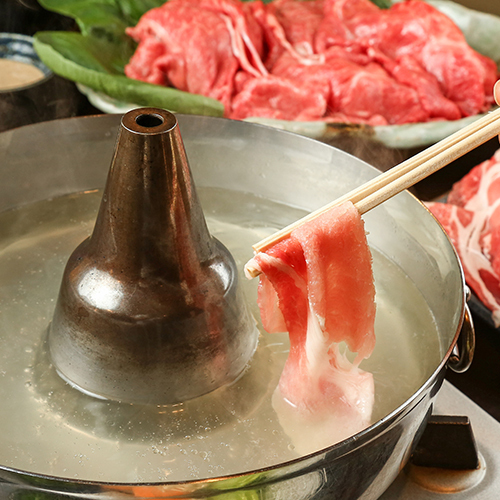
What Is Shabu-Shabu? The History of a Hot Pot Dish Passed Down in Kyoto
Shabu-shabu is one of Japan’s most well-known hot pot dishes. Thinly sliced meat is briefly dipped into hot broth, lightly cooked, and enjoyed with dipping sauce.
Although the preparation is simple, the dish highlights the natural flavors of meat and vegetables and reflects the essence of Japanese cuisine that values the taste of quality ingredients.
At our restaurant, the pork used for our signature pork shabu-shabu is carefully selected so that its natural sweetness and umami can be fully appreciated. By briefly cooking the pork in our house-made soup and pairing it with our special ponzu sauce, the flavors of the pork and vegetables are brought out while excess fat becomes pleasantly light. This allows guests to enjoy the depth of shabu-shabu slowly and comfortably.
While the dish may appear simple at first glance, its background reflects a long history shaped by influences from overseas hot pot dishes and the development of Japanese food culture.
Here we introduce the origins of shabu-shabu and the story behind how this dish became loved in Kyoto.
Our pork shabu-shabu restaurants are located in Kyoto’s Shijo Karasuma and Karasuma Oike areas. But did you know that shabu-shabu actually has strong historical ties to Kyoto?
Today, shabu-shabu is enjoyed throughout Japan, but its development involved influences from overseas hot pot dishes and adaptations made in Kyoto. In this article, we explore the origins of shabu-shabu and how it spread as a beloved Japanese dish.

The Origins of Shabu-Shabu
The cooking style considered the origin of shabu-shabu is believed to come from hot pot dishes in northern China. Thinly sliced lamb is briefly dipped into boiling water and eaten immediately. This cooking method has long been enjoyed as a winter dish in cold regions. By slicing the meat thinly, it cooks quickly and allows diners to enjoy its natural flavor in a short time. This method of “dipping meat quickly in hot water” is thought to have inspired Japanese shabu-shabu.
In Beijing, China, there is a dish called “Shuan Yang Rou,” where thin slices of lamb are dipped into boiling water. It has been eaten for generations in colder regions, and the thin slicing allows the meat to cook quickly while preserving its flavor.
One theory says that this dish inspired the development of Japanese shabu-shabu. During World War II,

Shabu-Shabu Spread Across Japan from the Kansai Region
Modern Japanese shabu-shabu became widely known after World War II. While inspired by overseas hot pot cooking methods, it was adapted to suit Japanese tastes and culinary traditions.
Instead of lamb, beef was used, and the meat was enjoyed with a light broth such as kombu dashi. This change helped transform the dish into a style of hot pot that suited Japanese cuisine and dining culture.
From the Kansai region, the dish gradually spread throughout Japan and eventually became one of the country’s most popular hot pot dishes.
The Origin of the Name “Shabu-Shabu”
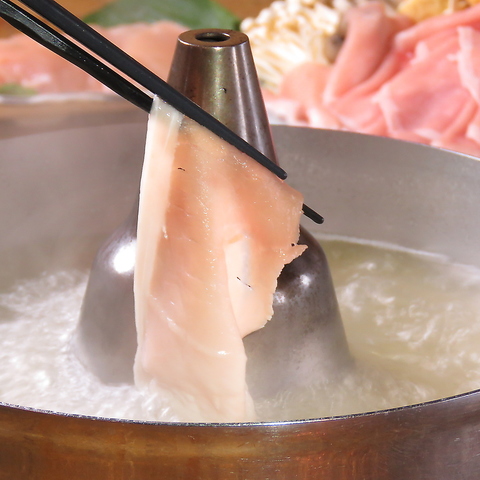
The unique name “shabu-shabu” is said to come from the sound and motion made when meat is swished through the hot broth.
When thin slices of meat are gently moved through the boiling water, the motion resembles rinsing something in water. The expression used to describe that movement eventually became the name of the dish itself.
The name became widely known after World War II. In 1952, a beef restaurant in Osaka called Suehiro introduced the dish on its menu using the name “shabu-shabu.” Because the name was memorable and easy to associate with the cooking motion, it quickly spread together with the dish across Japan.
A Japanese Hot Pot That Highlights Ingredients
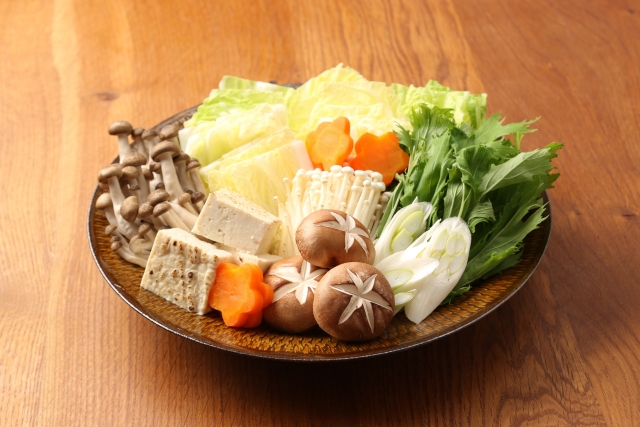
Unlike heavily seasoned stews, shabu-shabu is a dish where ingredients are briefly cooked in broth. Because of this, the natural flavor of the meat and vegetables plays an important role.
Common ingredients include cabbage, green onions, mizuna greens, and mushrooms. As these ingredients cook in the pot, their flavors gradually blend into the broth, creating a rich and enjoyable taste until the very end of the meal.
The Appeal of Pork Shabu-Shabu in Kyoto
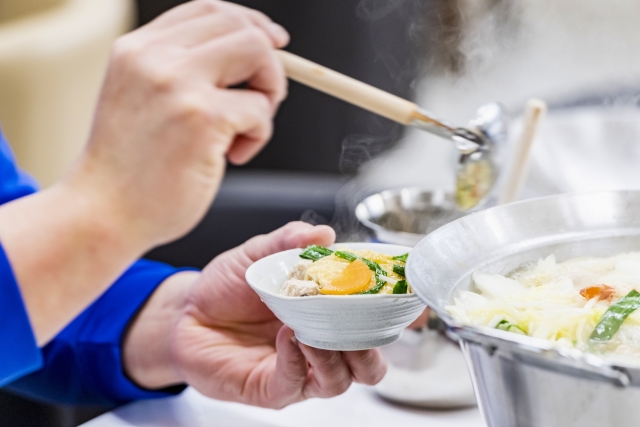
While many people think of beef when they hear “shabu-shabu,” pork shabu-shabu is also widely enjoyed in Japan.
Pork is known for its natural sweetness and tender texture. When thin slices of pork are briefly dipped in hot broth, excess fat melts away and the natural flavor of the meat becomes more pronounced. Because the meat is cooked quickly, it remains soft and juicy.
Pork is also nutritionally valued. It contains a relatively high amount of vitamin B1, a nutrient known to help convert carbohydrates into energy in the body. It also provides high-quality protein that supports a balanced diet.
When enjoyed with vegetables such as napa cabbage, green onions, mizuna, and mushrooms, the meal also provides dietary fiber and vitamins. The result is a satisfying dish that remains light and refreshing.
Because of its balanced flavor and ease of eating, pork shabu-shabu has become a popular choice throughout the year. Different regions and restaurants may use different meats, broths, and sauces, which adds to the enjoyment of this classic dish.
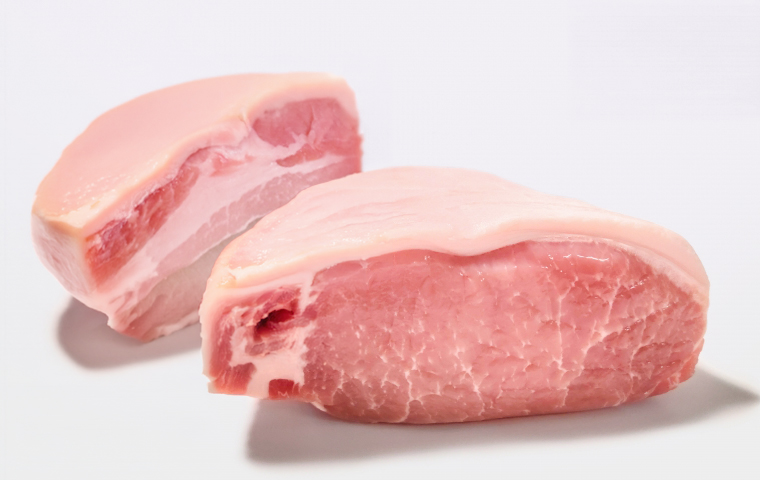
Kyoto Pork Served at Our Karasuma Oike Restaurant
At our Karasuma Oike branch in Kyoto, we serve “Kyoto Pork,” a brand of pork raised in Kyoto Prefecture.
Kyoto Pork is produced by local farmers in Kyoto and is known for its tender texture and naturally sweet fat. The finely textured meat releases rich flavor when heated, making it well suited for shabu-shabu where the meat is briefly cooked in hot broth.
When dipped into hot dashi, the pork becomes soft and flavorful. Enjoying it with ponzu sauce and fresh vegetables creates a balance between the richness of the meat and a refreshing taste.
Kyoto has a long tradition of valuing local ingredients such as Kyoto vegetables. Kyoto Pork is one of these local ingredients that represents the region’s food culture.
At our restaurant, we serve shabu-shabu that allows guests to slowly enjoy the natural flavor of these carefully selected ingredients.
(Kyoto Pork is not served at our Shijo Karasuma main restaurant.)
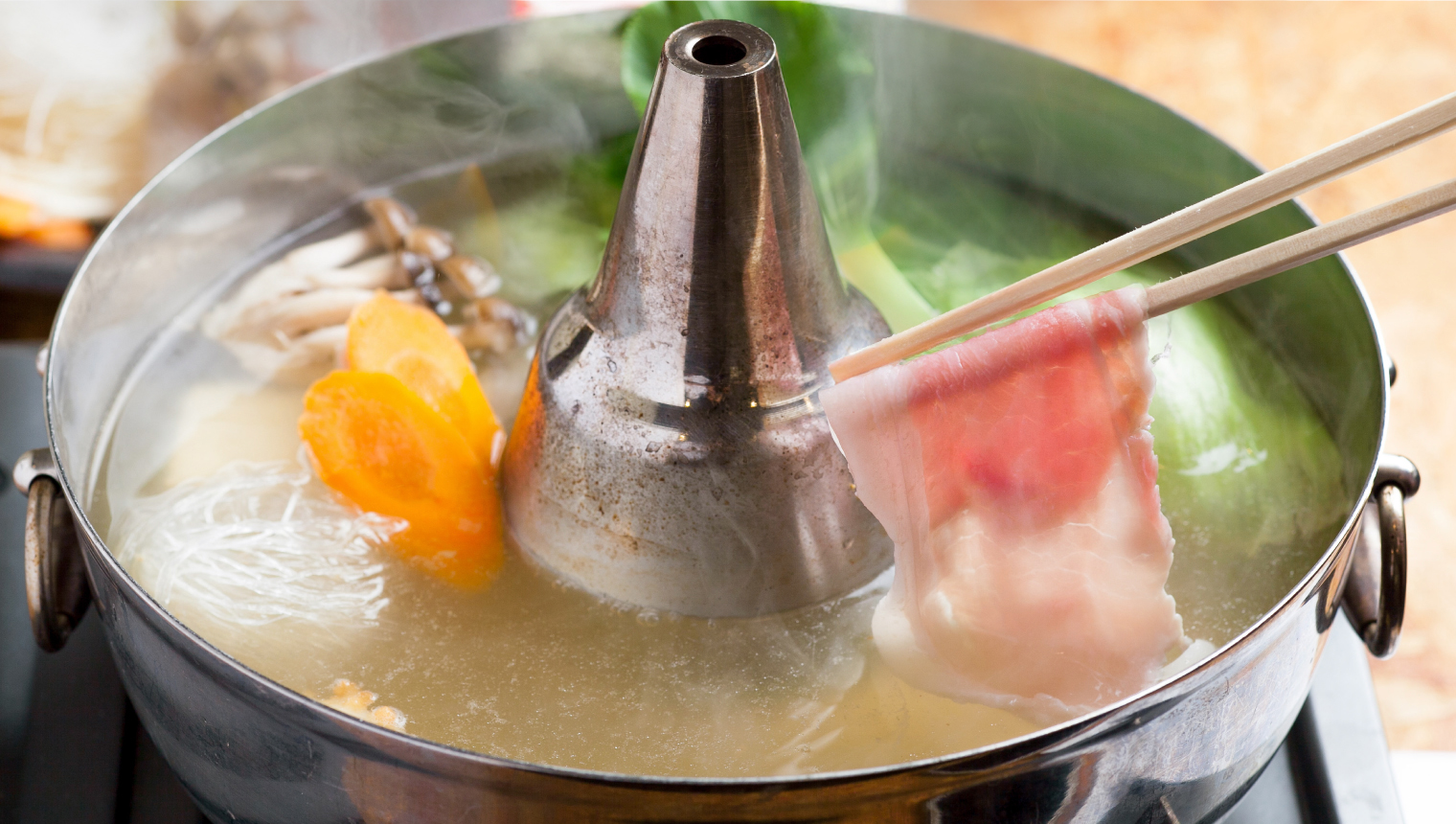
A Dining Experience that Begins with One Slice of Meat
Shabu-shabu is a dish meant to be enjoyed slowly around a shared pot.
Each slice of meat is gently dipped into the broth and cooked to your preferred doneness. This simple action reflects a Japanese dining style that values taking time to enjoy a meal together.
Gathering around a steaming pot, cooking ingredients one by one, and sharing conversation creates a relaxed dining experience. In Kyoto, enjoying shabu-shabu is not only about the dish itself, but also about the calm and enjoyable atmosphere of the meal.
At our restaurant, we offer a variety of courses, including shabu-shabu featuring Kyoto Pork. Whether for dinner, travel, or gatherings, we invite you to enjoy a warm and relaxing hot pot experience in Kyoto.
Learn More About Our Pork Shabu-Shabu
Experience the taste of Kyoto-style shabu-shabu at our restaurant.
